
Accelerated adoption of integrated injection molding technology leads to structural changes in the traditional split die industry
2026-02-05
In 2026, leading automakers are actively accelerating the introduction of integrated injection molding technology for body parts. The rear part of the body floor, frame structures of the engine compartment and other large components of the car are gradually beginning to be manufactured in the form of large cast parts, replacing dozens of individual stamped components.

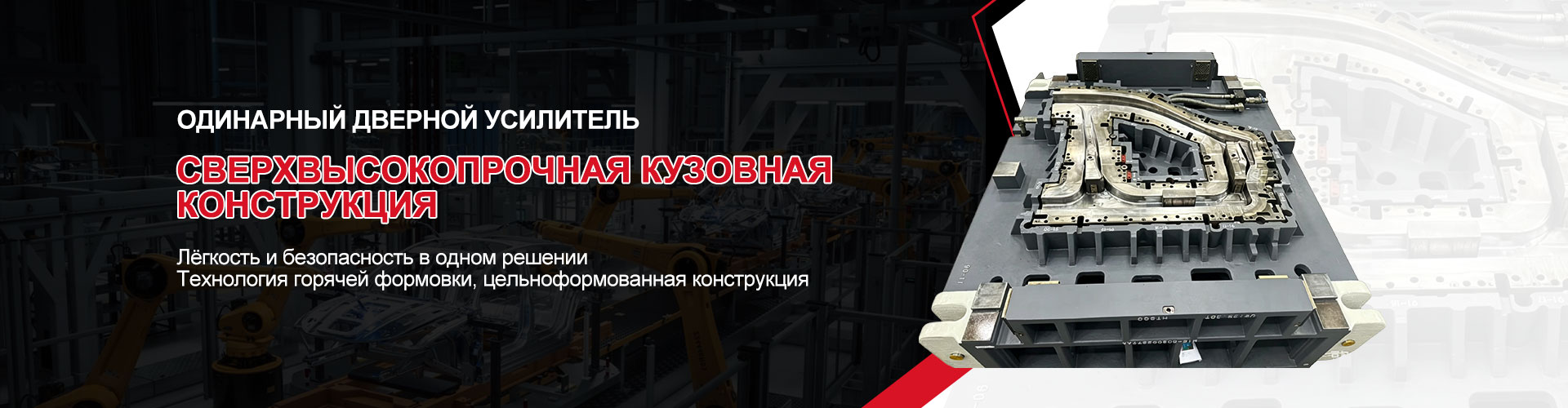
Against this background, the demand for traditional small dies for separate cold forging is somewhat declining. However, critical body safety components such as door rings, A-pillars and B-pillars continue to be produced using hot stamping technology, resulting in structural differentiation of the automotive stamping market.
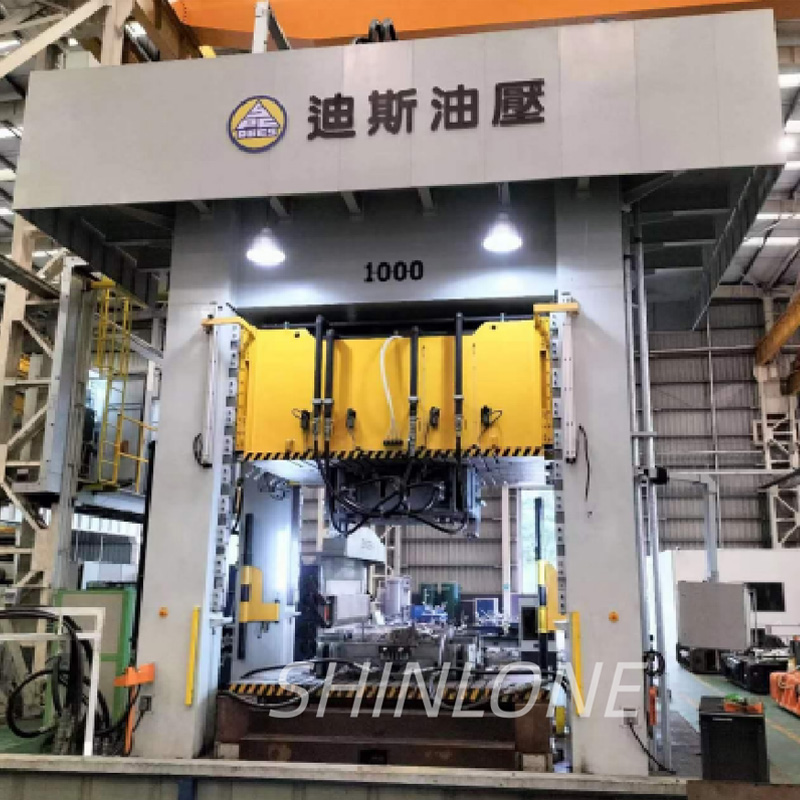
Integrated injection molding technology is primarily focused on the production of large integrated chassis and body components. At the same time, key components responsible for crash safety, including A-pillars, double door rings and other structural structural elements, cannot be replaced by casting technology in the near future due to steel strength requirements and impact energy absorption characteristics. Therefore, the demand for dies for thermoforming such parts continues to grow steadily.

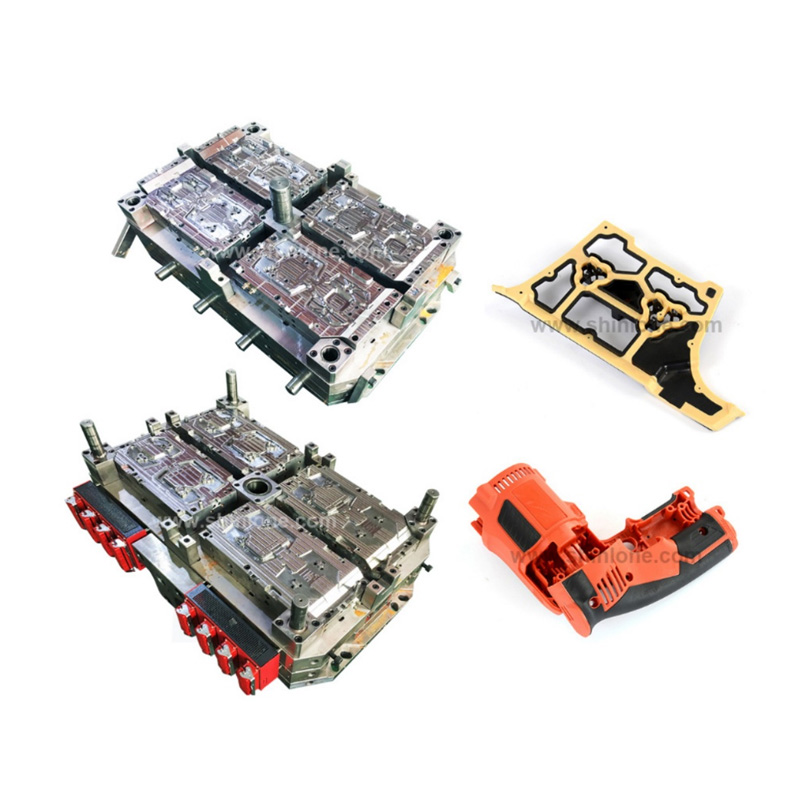
In the face of market differentiation, Chinese die manufacturers have begun to implement different business development strategies. Some businesses are shifting their focus to developing large molds for integrated injection molding, while others are focusing on producing dies for hot-formed safety components, small-scale precision cold-formed parts, and plastic molds.
Companies that specialize in both hot stamping and high-precision plastic injection molding technologies demonstrate greater resilience to market changes. Thanks to the accumulated experience in specialized segments, they continue to consistently expand cooperation with automotive manufacturers and become one of the main driving forces for the stable development of the industry.