
In 2026, the production and sales of new energy vehicles continue to grow, and the hot stamping die market expands steadily
2026-01-08
According to industry research organizations, the new energy passenger vehicle market in China will maintain a steady growth trend in 2026. Annual sales are projected to exceed 36 million vehicles, which will directly drive further growth in demand for hot stamping body dies. The thermoforming die market size is expected to exceed RMB 19.2 billion by the end of the year, up more than 11% year-on-year.
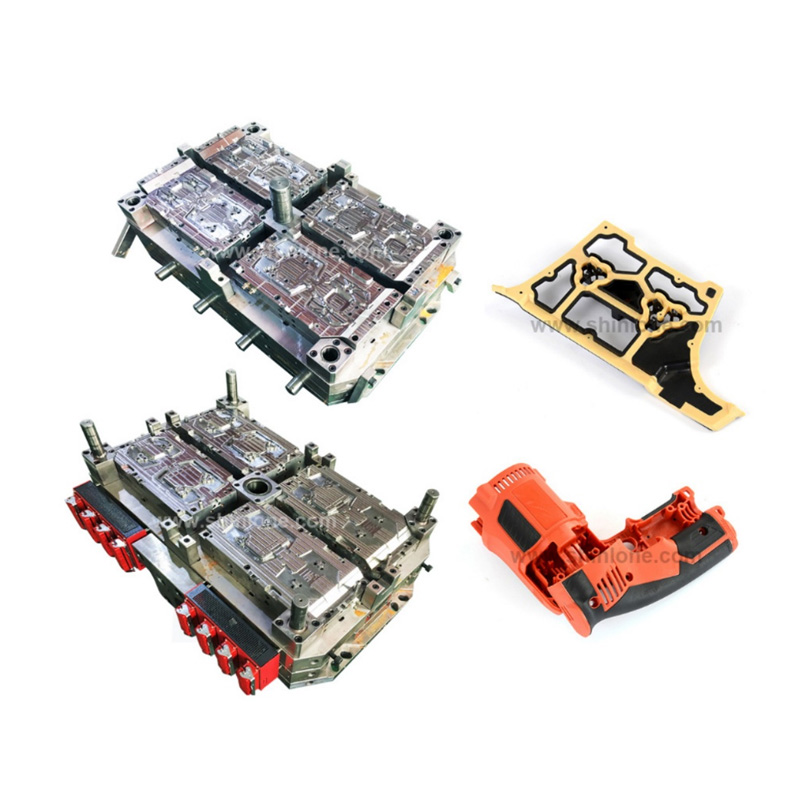
Driven by two key factors—lighter body structures and stricter crash safety requirements—the amount of hot-formed steel used per vehicle has increased from 45 kg in the early stages of the industry to 75–120 kg in today's electric vehicle models. As a result, demand for dies to produce key components such as door rings, A- and B-pillars, and chassis reinforcements continues to grow strongly.
There are currently two main development trends in the industry.
Firstly, the concept of universal dies is becoming more and more widespread. Designs that allow the use of one set of tooling to produce parts for two or three car models are being actively implemented by automakers, which helps reduce the costs of developing and manufacturing dies.
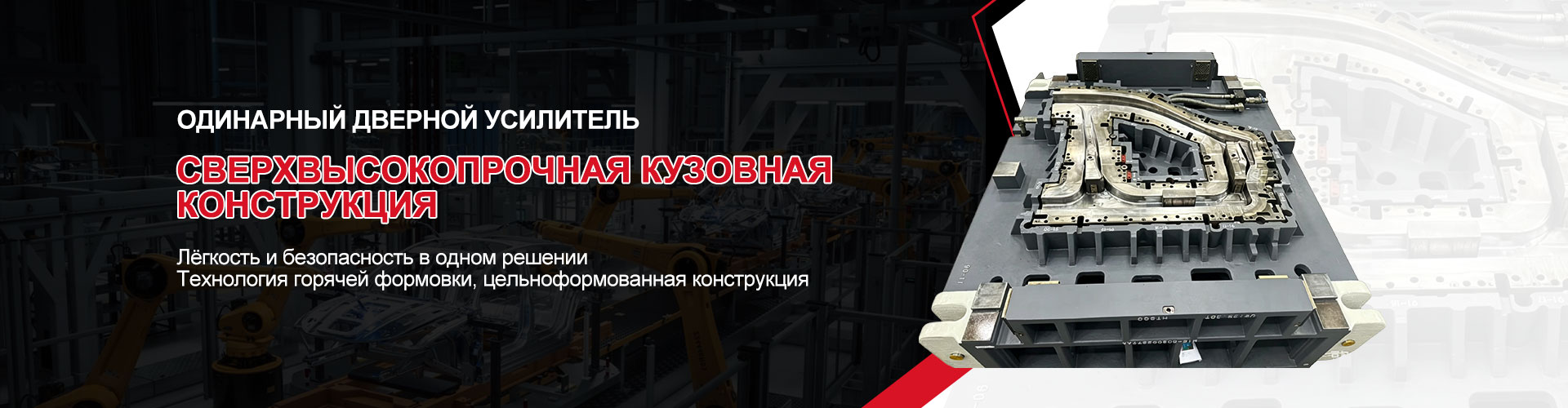
Second, demand for dies to produce complex designs such as B-pillars with soft zones and variable wall thicknesses, and ultra-long, solidly molded A-pillars is increasing sharply. This is driving the industry to improve technologies for precise temperature control, localized heat treatment and other high-precision manufacturing processes.
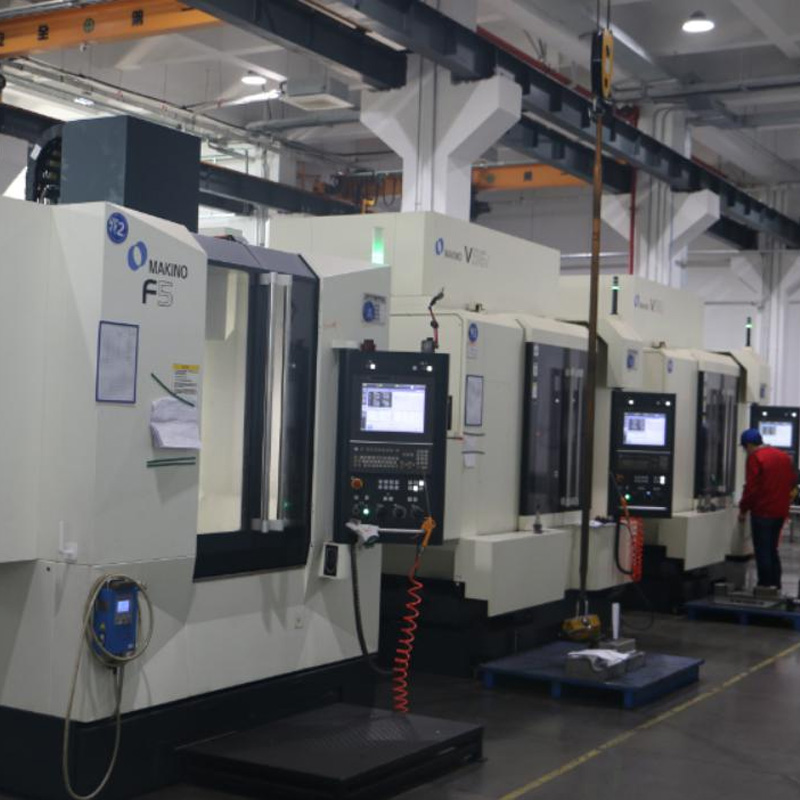
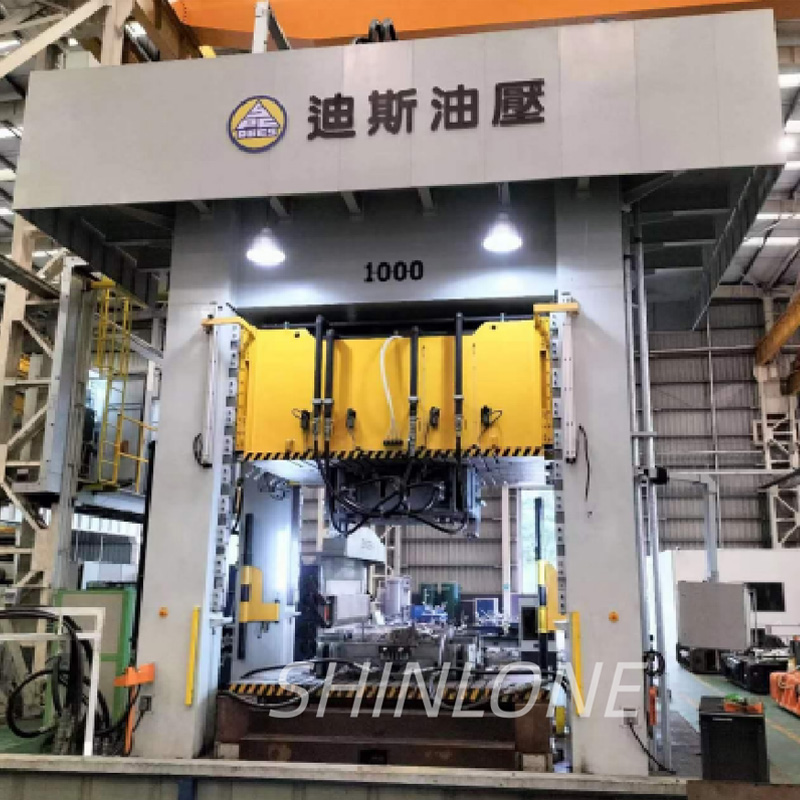
Leading Chinese die makers are accelerating capacity expansion and increasing investment in technology development. Specialized companies such as Xunlong Zhizao LLC continue to receive new orders from joint ventures and domestic automobile manufacturers, and Chinese hot stamping dies are gradually replacing imported tooling in the domestic market.