


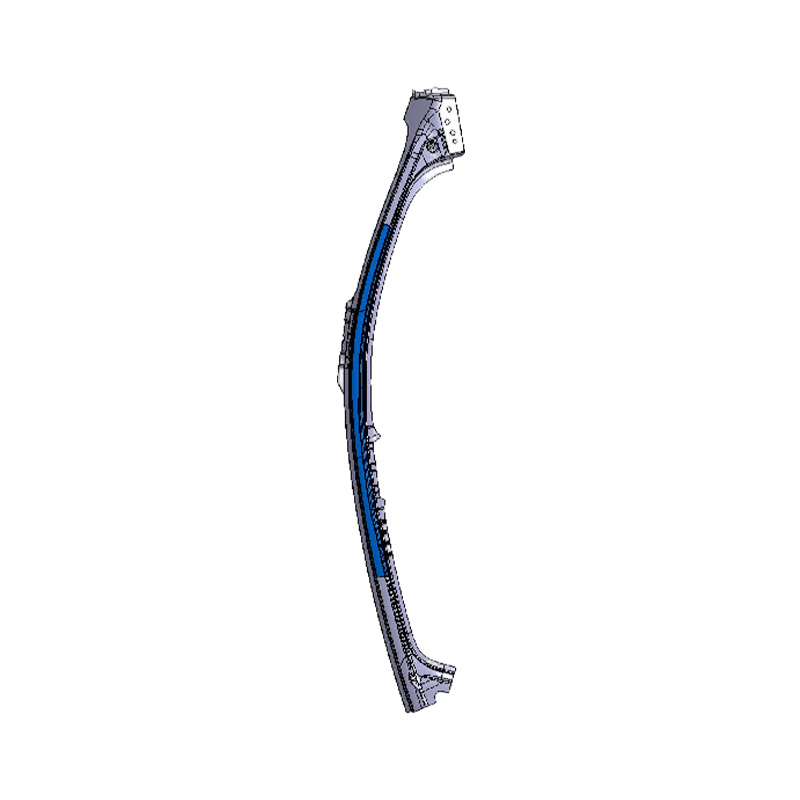
Hot-forged B-pillar reinforcement with reduced strength zone
The hot-formed B-pillar reinforcement with reduced strength zone is a key design element required for side impact safety in modern vehicles.
Description
marker
Product Description
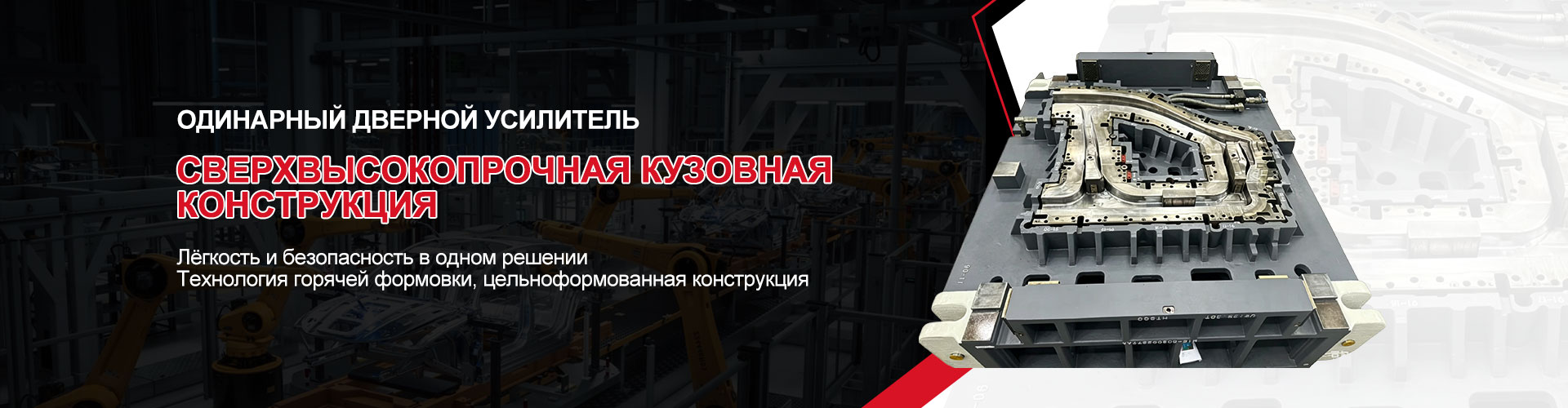
The hot-formed B-pillar reinforcement with reduced strength zone is a key design element required for side impact safety in modern vehicles. The manufacturing technology is based on the principles of hot stamping: ultra-high-strength boron steel is used as the starting material, which is subjected to high-temperature austenitization to change the structure of the material, then rapid forming is performed in a special die with simultaneous hardening to form a stable martensitic structure. Key process steps include forming, hardening, sizing, weak zone optimization and quality control. The finished product has high uniformity of strength and stable performance, and is widely used in B-pillars of various passenger cars, providing key side impact protection.
Main Features
1. Adjustable strength gradient: the implementation of the concept of a zone of reduced strength allows for a differentiated distribution of strength properties across different zones, combining rigidity and the ability to absorb impact energy.
2. Lightweight Design: Significant weight savings compared to traditional multi-piece welded structures, helping to achieve vehicle weight reduction goals.
3. Excellent dimensional stability: Hot forming technology ensures geometry stability throughout the entire length of the part and meets the precision requirements of body assembly in the B-pillar area.
4. High safety performance: Effectively improve the B-pillar's side impact penetration resistance, meeting the requirements of C-NCAP, C-IASI and other crash tests.
contact us
Related Popular Products
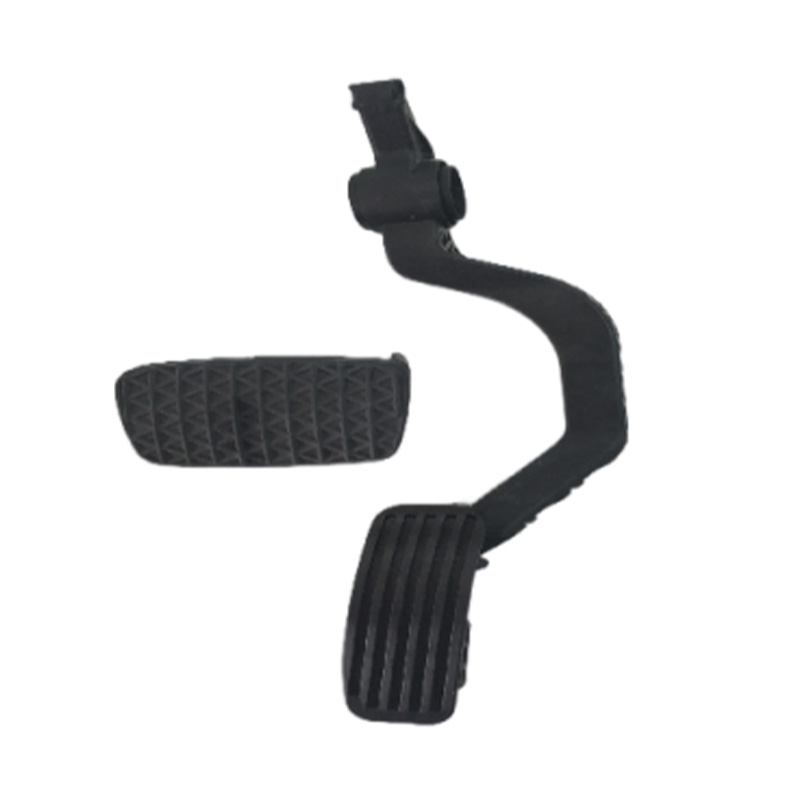
Plastic part of car controls
The plastic vehicle control part is a key functional component required for modern automotive interior systems.
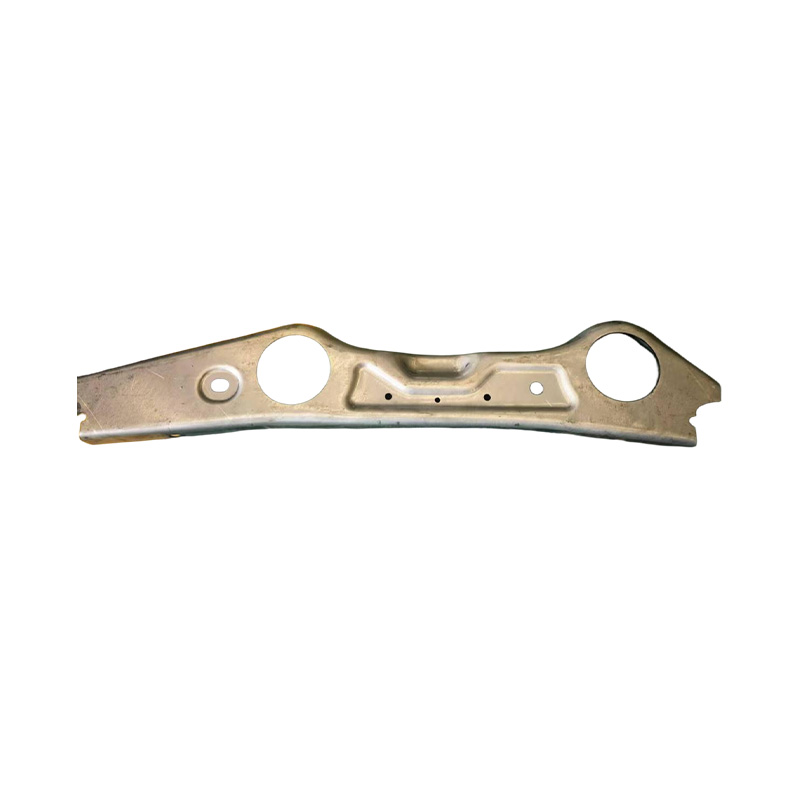
Reinforcing element of the car chassis
Material: High-strength automotive structural steel (for example, QStE-series / SPFH-series and other grades of high-strength steel), providing the required strength characteristics and fatigue resistance for chassis components.
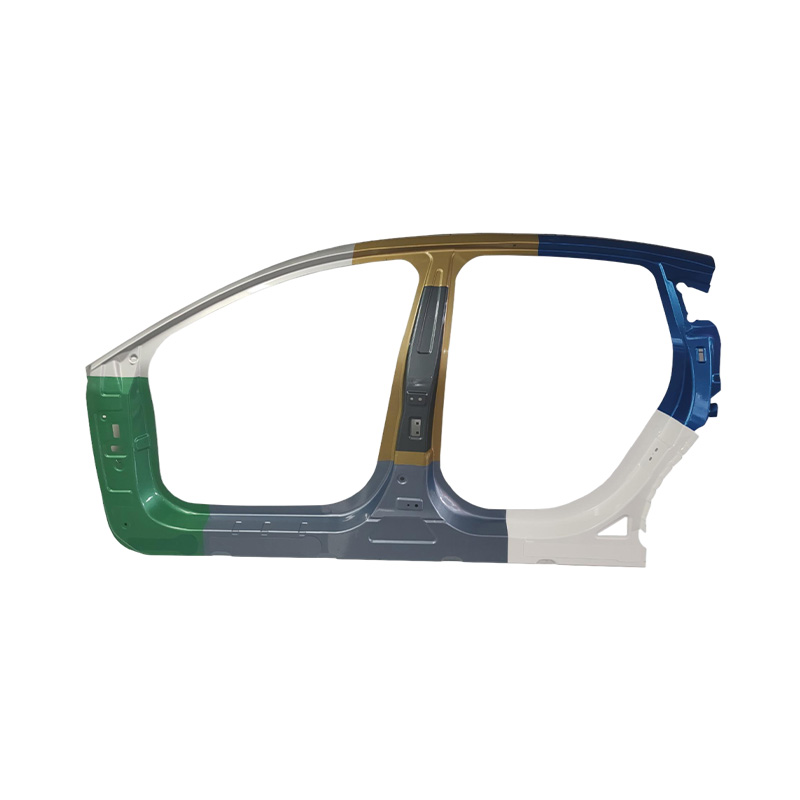
One-piece structural element - double car door reinforcement (internal and external)
The one-piece structural element, the vehicle's dual door reinforcement (inner and outer), is a key integrated component required for side impact safety in today's vehicles.
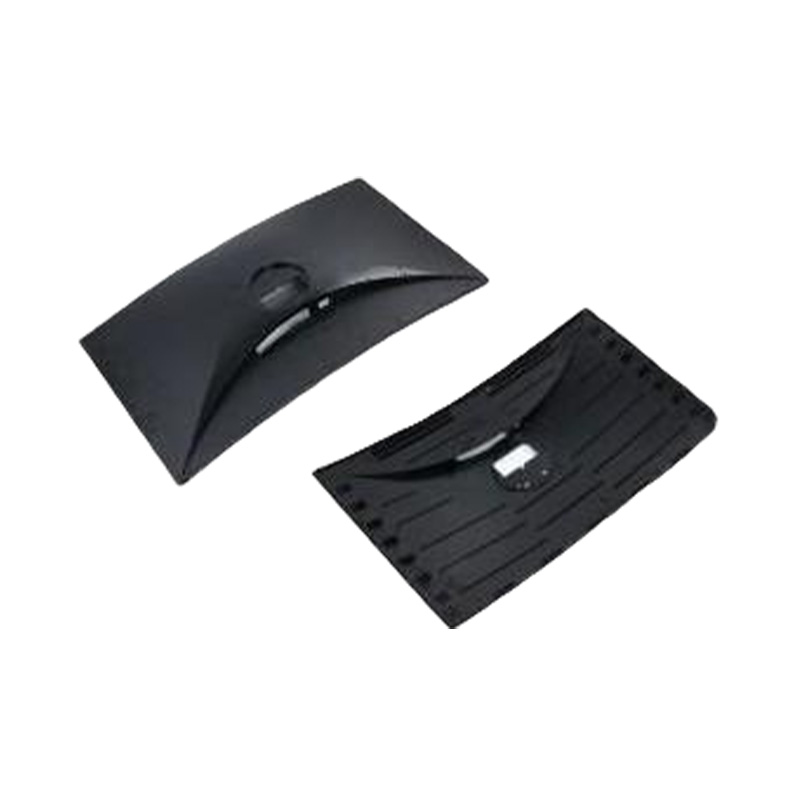
Plastic part of the TV case
The plastic part of the TV cabinet is a key component needed to shape the appearance and protect the structure of modern TVs.
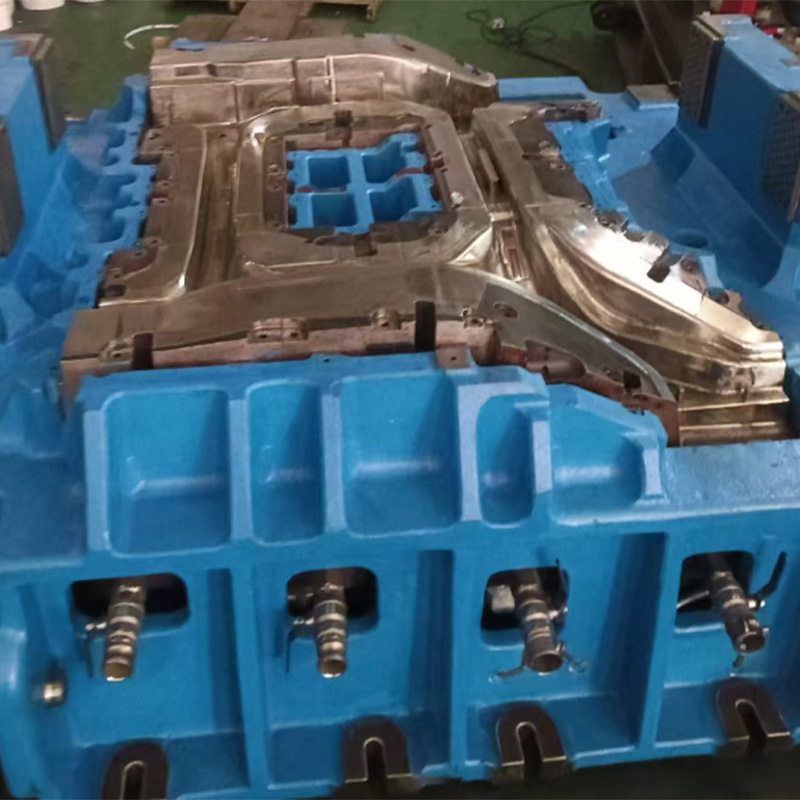
Hot stamping die for rear side rear floor reinforcement beam
The hot stamping die for the rear side reinforcement beam of the rear floor is the key technological equipment required for the production of hot-stamped car rear floor parts.
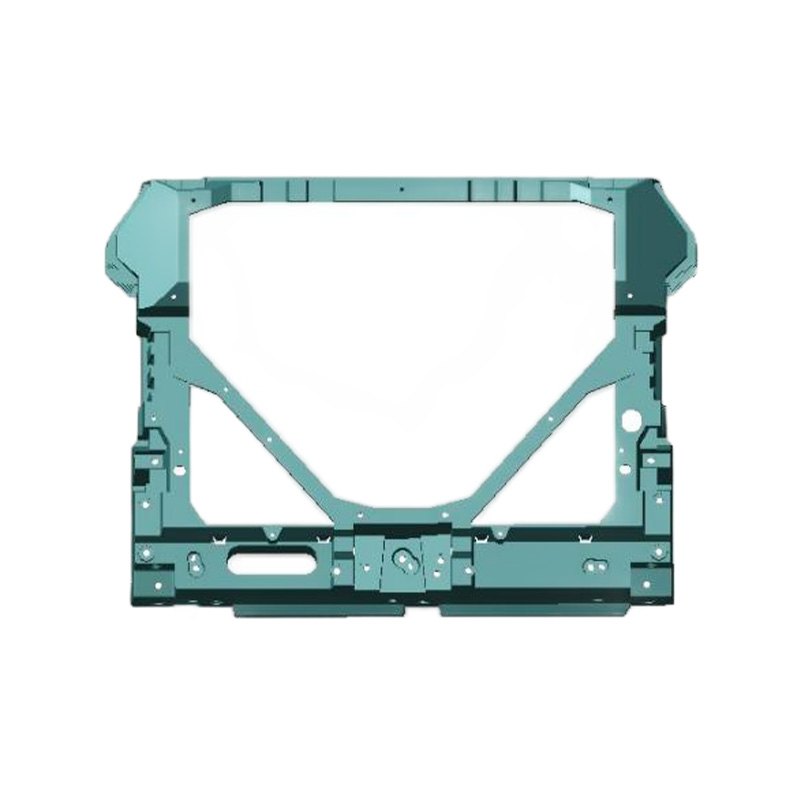
Plastic front structural frame of the car
The plastic front structural frame/car radiator bracket is a key structural element required for the front end of modern vehicles.
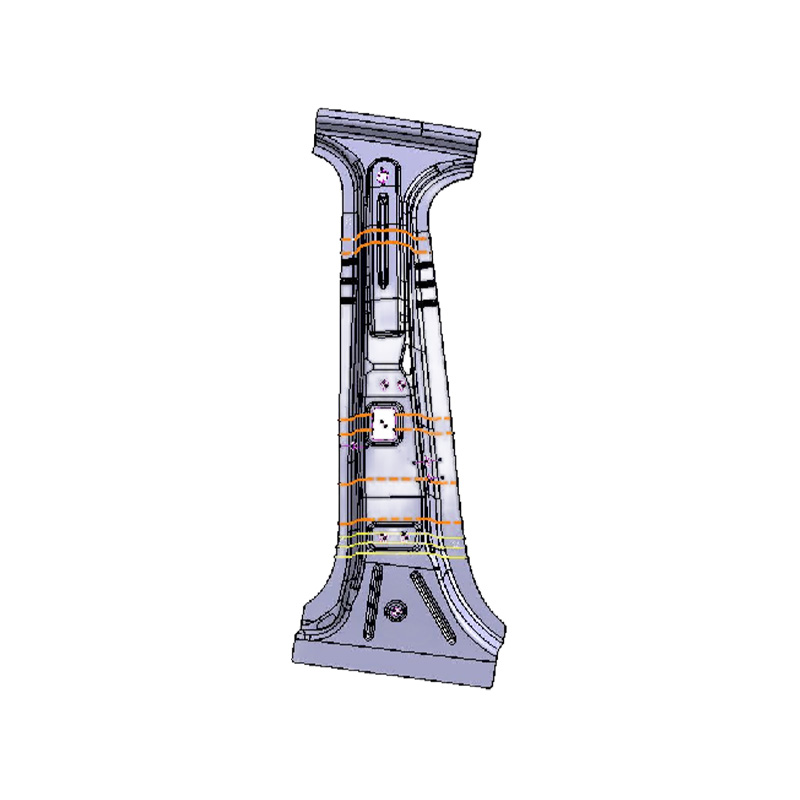
Hot-forged A-pillar reinforcement
The hot-formed A-pillar reinforcement is a key design element required for side impact safety in modern vehicles.
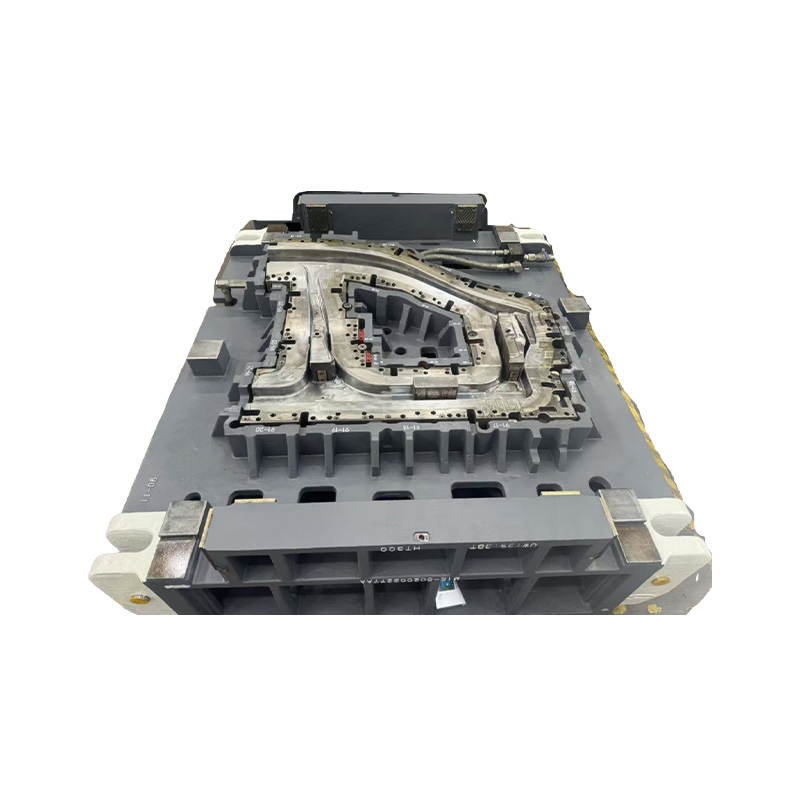
Top half of hot stamping die for single door reinforcement
The top half of the single door reinforcement hot stamping die (the key component of the die) is the mandatory processing equipment required for the production of hot stamping single door reinforcements.
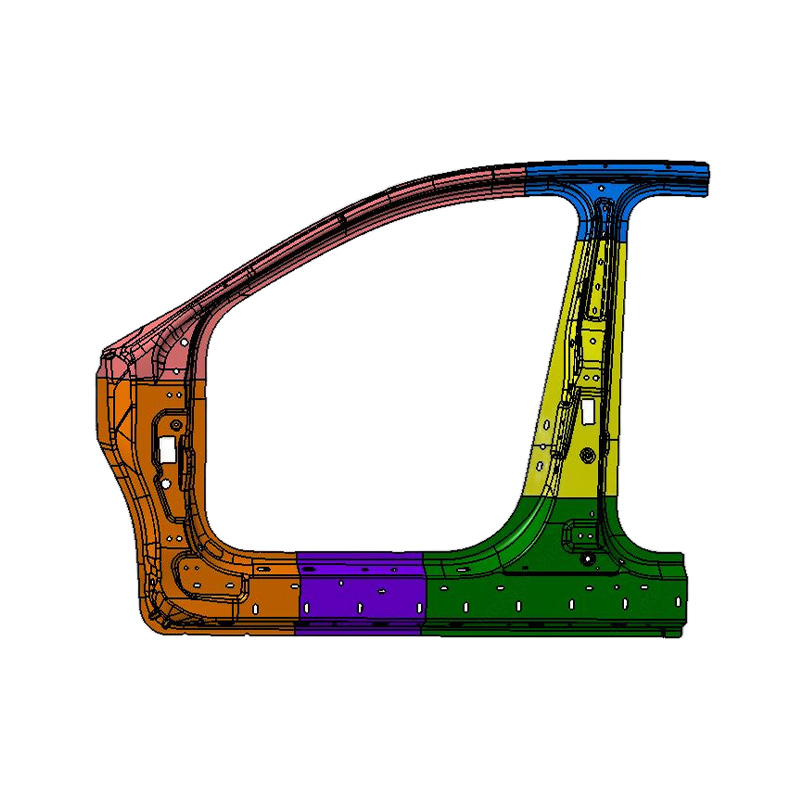
One-piece car door reinforcement single-piece design
The single-piece vehicle door reinforcement is a one-piece molded structural element that is a key integrated component required for side impact safety in today's vehicles.
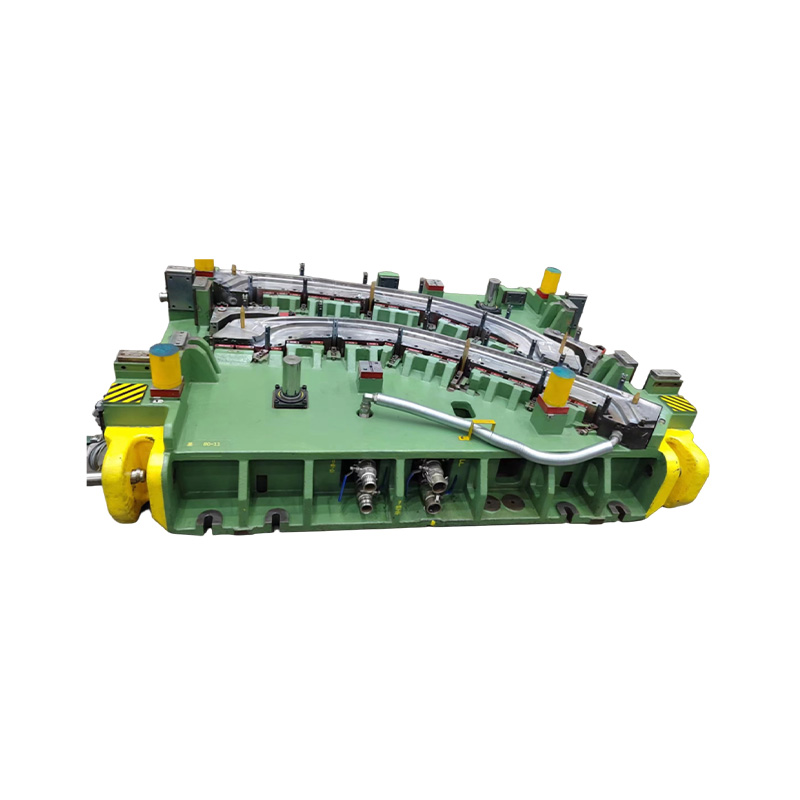
Hot stamping die assembly
The hot stamping die assembly is the key processing equipment needed to produce ultra-high strength hot stamped automotive parts. The production of the die is carried out in accordance with the requirements of precision manufacturing: high-alloy die steel is used as the starting material, which goes through the stages of roughing, heat treatment, finishing and surface treatment.
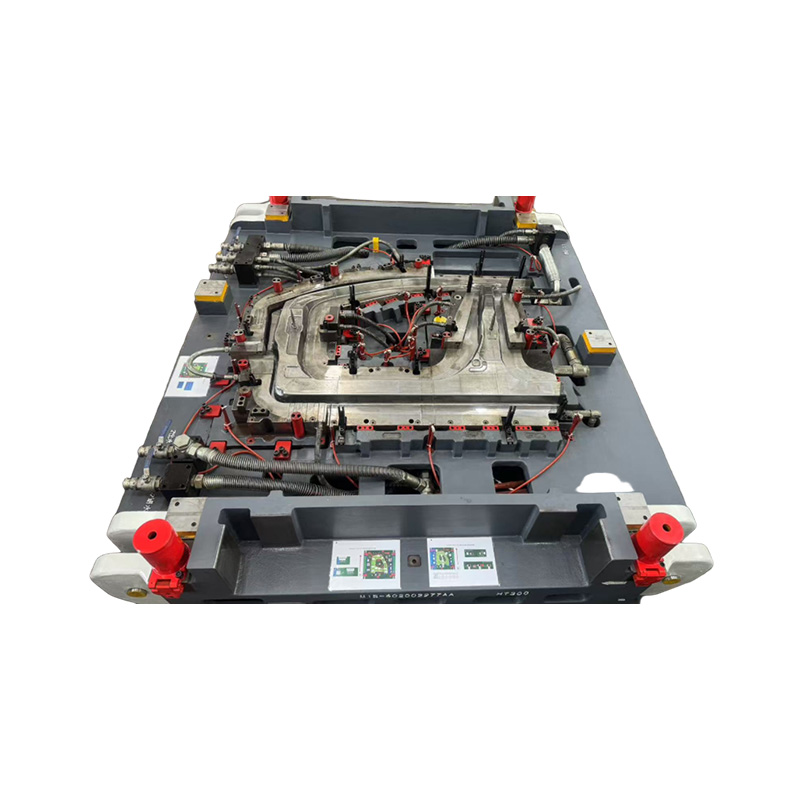
Bottom half of single door reinforcement hot stamping die
The lower half of the single door reinforcement hot stamping die (full die assembly) is the key processing equipment for the mass production of hot stamping single door reinforcements.
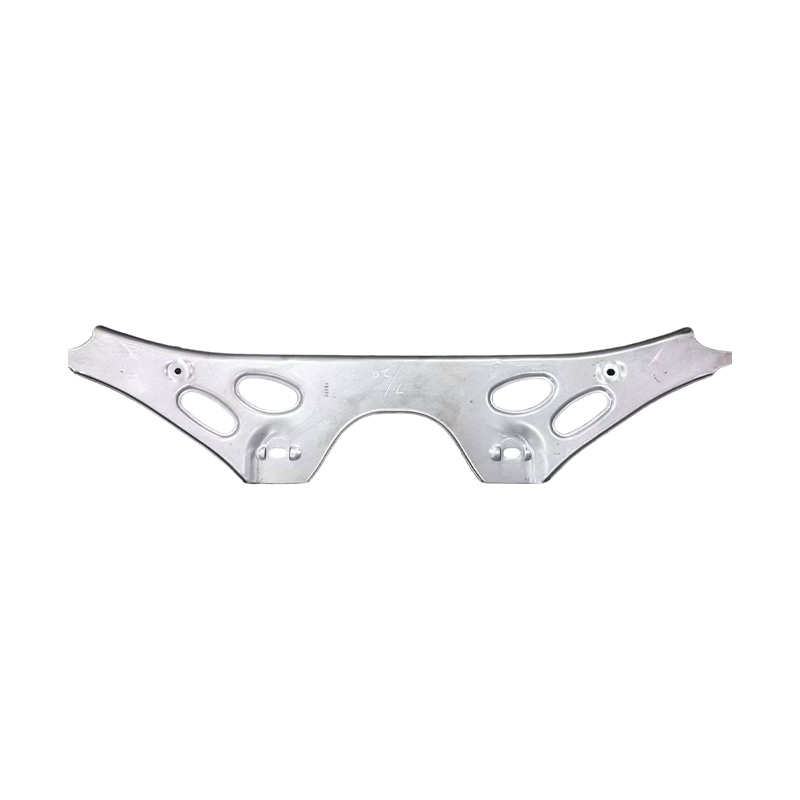
Car body reinforcement element
Technology: Multi-operational cold forging using a multi-position progressive die. Includes blanking, forming, punching and trimming operations, which ensures highly accurate part geometry.
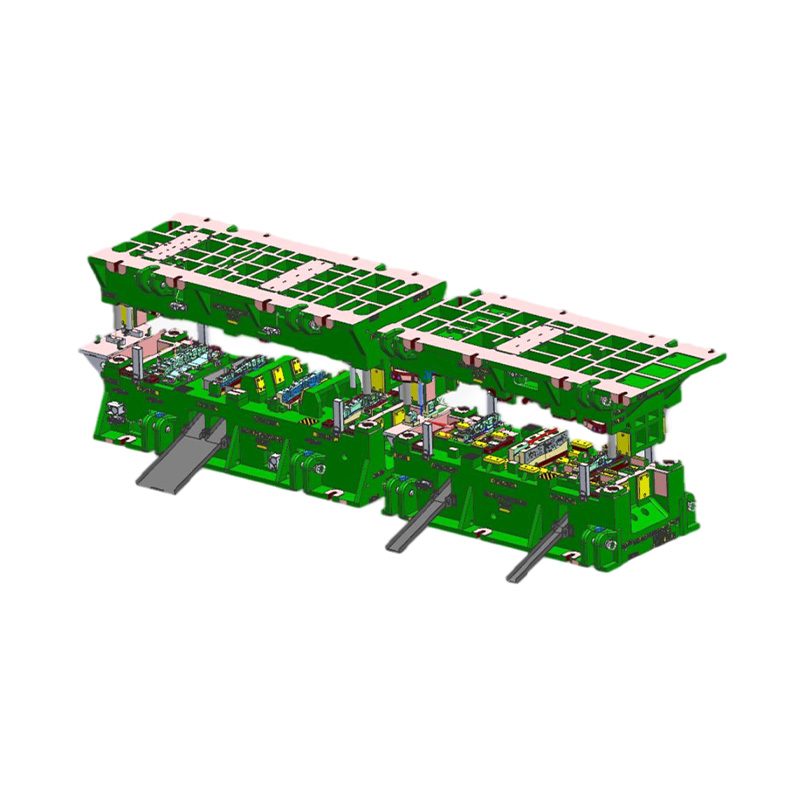
Progressive die for cold forming of automotive parts
Technology: Made from high-hardness die steel using precision machining, heat treatment, polishing and other operations. Designed for use on high and medium speed stamping lines.
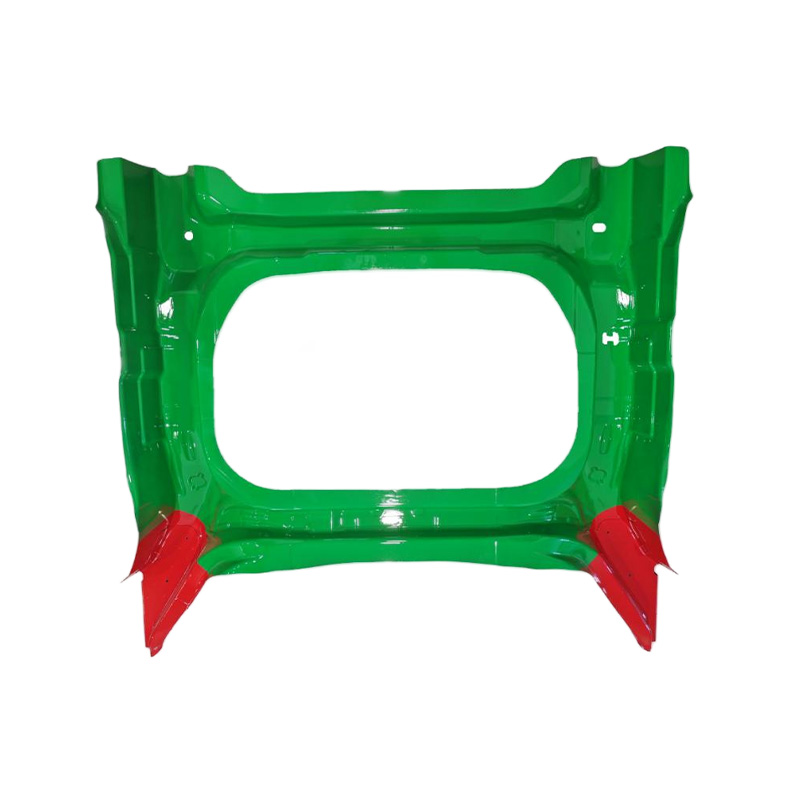
Reinforcement beam for rear side part of rear floor
The rear floor reinforcement beam is a key structural element required to provide body rigidity and crash safety in the passive safety systems of modern vehicles.
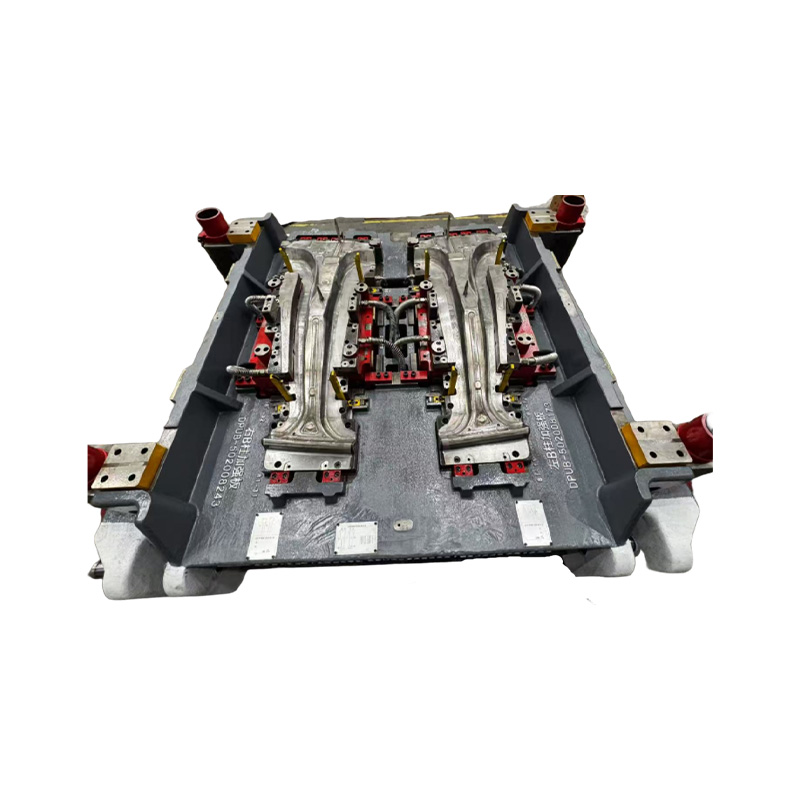
Hot-stamped body sill elements
Hot-stamped rocker panels and side floor beams are key components that provide underbody protection and structural rigidity to modern vehicles.
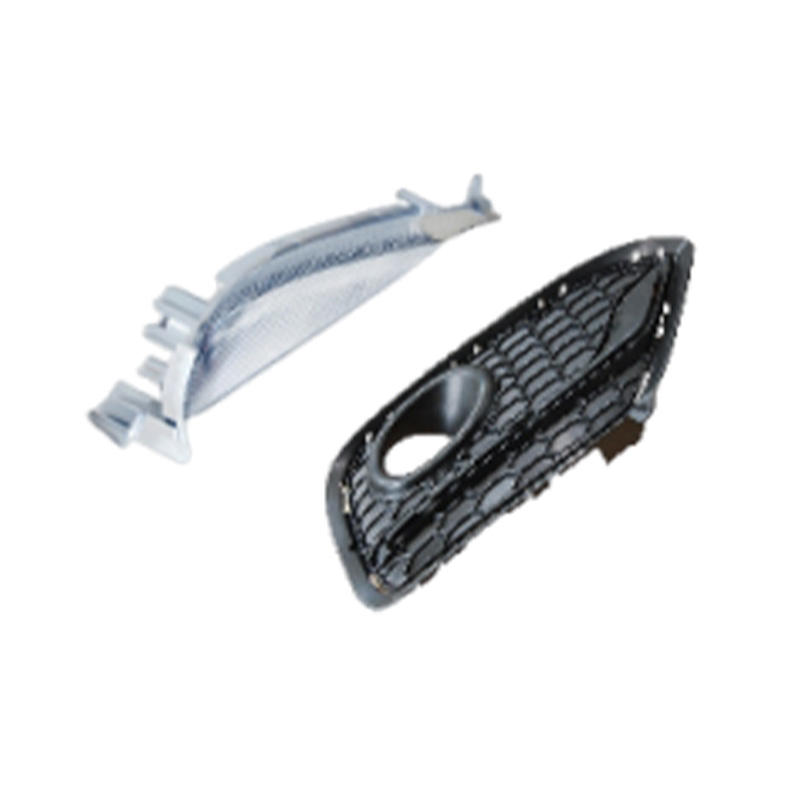
Plastic car exterior parts
Plastic exterior car parts are a key component needed to shape the appearance and protection of modern vehicles.


